Kanji support
Japanese Articles with Furigana
Furigana is helpful when you want to read real Japanese but still need support with kanji. On JAPAN Daily Reader, the article stays in Japanese first, and the reading tools sit quietly around it. You can show or hide furigana, add romaji only when you need it, and open translations as hints instead of replacing the Japanese text. That makes the page useful for beginners, but still comfortable for learners who are moving toward N3.
The articles here cover everyday Japan, work, food, travel, anime, games, seasonal culture, and small moments from city life. They are not meant to be stiff textbook passages. Each one gives you a short reading session, a few vocabulary items, and a quick quiz to check whether you understood the main point. If a topic looks familiar, try reading with furigana hidden first, then turn it on only for the parts that slow you down.
Easy Japanese reading
Start with lighter N5 and N4 articles.
N5 reading
Short articles with simple daily scenes.
N4 reading
Natural beginner-to-intermediate practice.
N3 reading
More detailed articles for stronger readers.
Articles to start with
Choose one article, read with support, then save a few words for review.
18 reads

郵便局で荷物の大きさを確かめる
N4 Japanese reading about Checking a Parcel’s Size at the Post Office.

防災の日に地域の案内を読み直す
N3 Japanese reading about Re-reading Local Disaster Guidance.

美術館で音声ガイドを借りる前に
N3 Japanese reading about Before Borrowing a Museum Audio Guide.

町の建物を見る世界建築デー
N4 Japanese reading about World Architecture Day: Looking at Town Buildings.

居酒屋のお通しを先に見る
N4 Japanese reading about Checking the Otoshi at an Izakaya.
先生に伝える世界教師デー
N4 Japanese reading about World Teachers’ Day: Speaking to a Teacher.
雨の予報で予定を伝え直す
N3 Japanese reading about Reconfirming Plans When Rain Is Forecast.
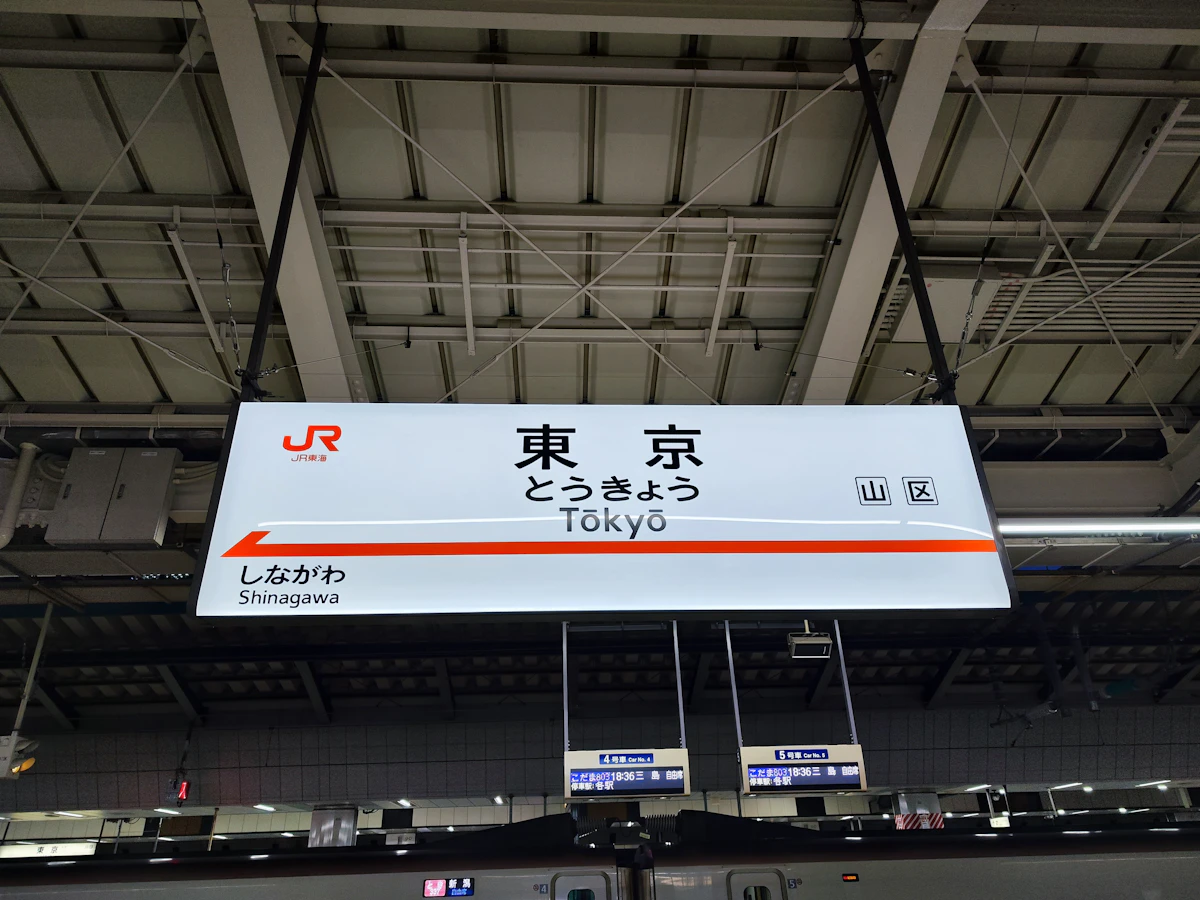
駅で傘を忘れないために
N5 Japanese reading about Remembering Your Umbrella at the Station.
緊急地震速報を受け取った時の確認
N3 Japanese reading about Checking an Emergency Earthquake Warning.

図書館の秋の展示を読む
N4 Japanese reading about Reading an Autumn Library Display.
10月、最低賃金の表示を確かめる
N3 Japanese reading about Checking Minimum-Wage Details in October.

住む場所を考える世界ハビタット・デー
N4 Japanese reading about World Habitat Day and the Places We Live.
温かい飲み物のふたを閉める
N5 Japanese reading about Closing the Lid on a Hot Drink.
初診の問診票で確認すること
N3 Japanese reading about What a First-Visit Clinic Form Asks.
コーヒーの日に読む一杯の背景
N4 Japanese reading about The Background of a Cup on International Coffee Day.

10月1日、国際高齢者デー
N4 Japanese reading about October 1: International Day of Older Persons.
10月9日に向けて知る世界郵便の日
N3 Japanese reading about World Post Day on October 9.

返却ポストに本を入れる前に
N5 Japanese reading about Before Putting a Book in the Return Box.
FAQ
Can beginners use it?
Yes. Start with N5 or N4 and turn on furigana when needed.
Is there romaji?
Yes. Romaji is available as a reading tool, but the main text stays Japanese.
How do I review?
Save words while reading, then use Daily Review for a light quiz.