Beginner-friendly reading
Easy Japanese Reading
Easy Japanese reading should feel like a small, useful habit, not a test you have to survive. JAPAN Daily Reader gives you short articles about real life in Japan, written for learners who want natural Japanese with enough support to keep going. You can turn on furigana, check a translation, tap useful words, and save vocabulary for review later. The goal is simple: read one piece, understand the scene, and leave with a few words you might actually remember.
This page collects approachable N5 and N4 articles for learners who are still building confidence. Topics include convenience stores, train stations, food, seasonal customs, anime culture, and everyday conversations. Some words may be new, but the reading tools are there to help without turning the article into a grammar worksheet. Start with a story that looks interesting, then use the quiz and wordbook when you finish.
Articles with furigana
Read Japanese text with kana support when kanji feels heavy.
N5 reading
Shorter, gentler articles for your first reading habit.
N4 reading
Daily topics with a little more natural sentence flow.
Bahasa Indonesia
Bacaan bahasa Jepang mudah dengan bantuan bahasa Indonesia.
Articles to start with
Choose one article, read with support, then save a few words for review.
18 reads

郵便局で荷物の大きさを確かめる
N4 Japanese reading about Checking a Parcel’s Size at the Post Office.

町の建物を見る世界建築デー
N4 Japanese reading about World Architecture Day: Looking at Town Buildings.

居酒屋のお通しを先に見る
N4 Japanese reading about Checking the Otoshi at an Izakaya.

先生に伝える世界教師デー
N4 Japanese reading about World Teachers’ Day: Speaking to a Teacher.
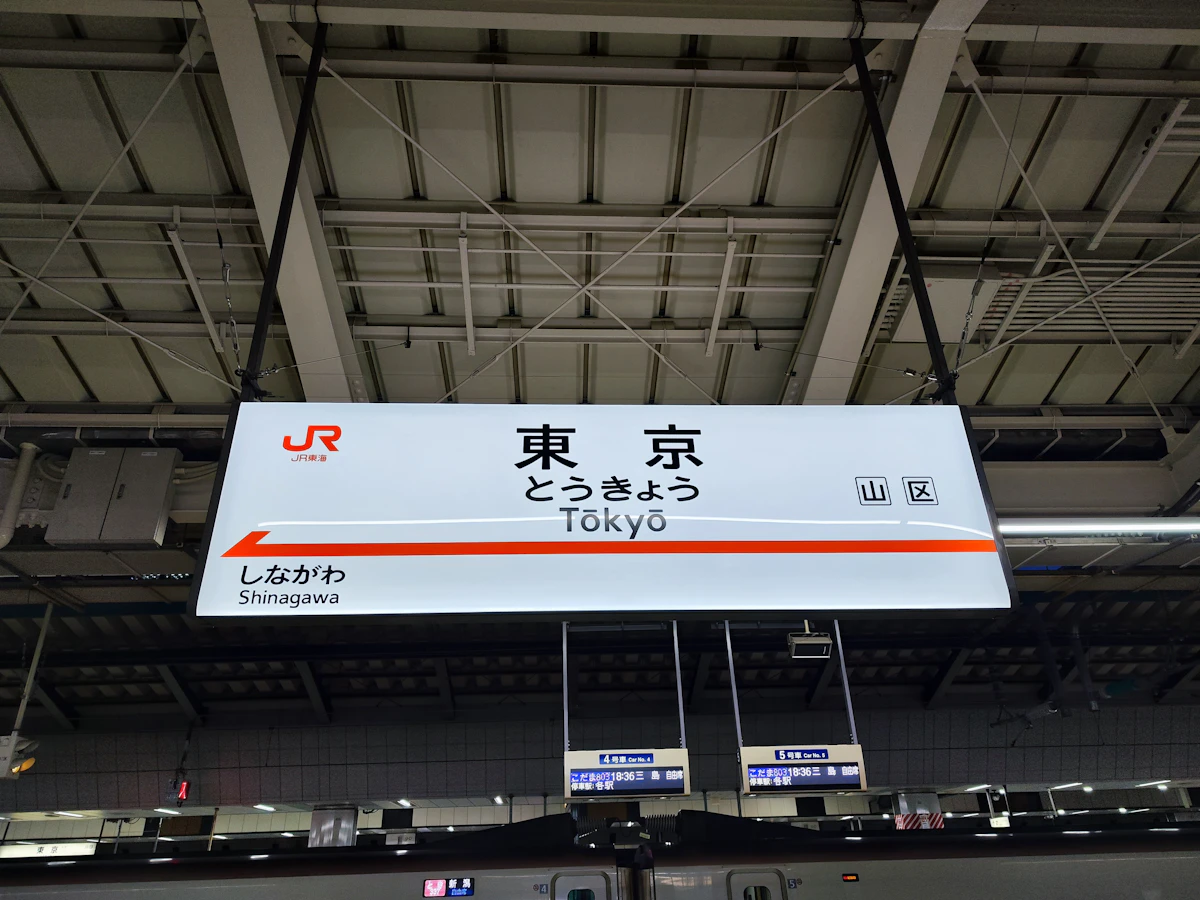
駅で傘を忘れないために
N5 Japanese reading about Remembering Your Umbrella at the Station.

図書館の秋の展示を読む
N4 Japanese reading about Reading an Autumn Library Display.

住む場所を考える世界ハビタット・デー
N4 Japanese reading about World Habitat Day and the Places We Live.
温かい飲み物のふたを閉める
N5 Japanese reading about Closing the Lid on a Hot Drink.
コーヒーの日に読む一杯の背景
N4 Japanese reading about The Background of a Cup on International Coffee Day.

10月1日、国際高齢者デー
N4 Japanese reading about October 1: International Day of Older Persons.

返却ポストに本を入れる前に
N5 Japanese reading about Before Putting a Book in the Return Box.

世界観光デー、旅先の暮らしを考える
An N3 reading about World Tourism Day and sharing travel destinations.
情報を知る権利を考える国際デー
An N2 reading about access to public information and reading notices safely.

夕方のスーパーに並ぶ値引きシール
An N4 reading about supermarket discount labels on prepared food.

朝晩の気温で考える衣替え
An N5 reading about changing clothes as mornings and evenings get cooler.

銭湯のロッカーを使う順番
An N5 story about using shoe and clothes lockers at a Japanese public bath.
置き配の場所を決める前に見ること
An N4 reading about choosing a safe parcel drop-off location in Japan.
9月21日の国際平和デー
An N4 reading about the UN International Day of Peace and how to read event notices.
FAQ
Can beginners use it?
Yes. Start with N5 or N4 and turn on furigana when needed.
Is there romaji?
Yes. Romaji is available as a reading tool, but the main text stays Japanese.
How do I review?
Save words while reading, then use Daily Review for a light quiz.